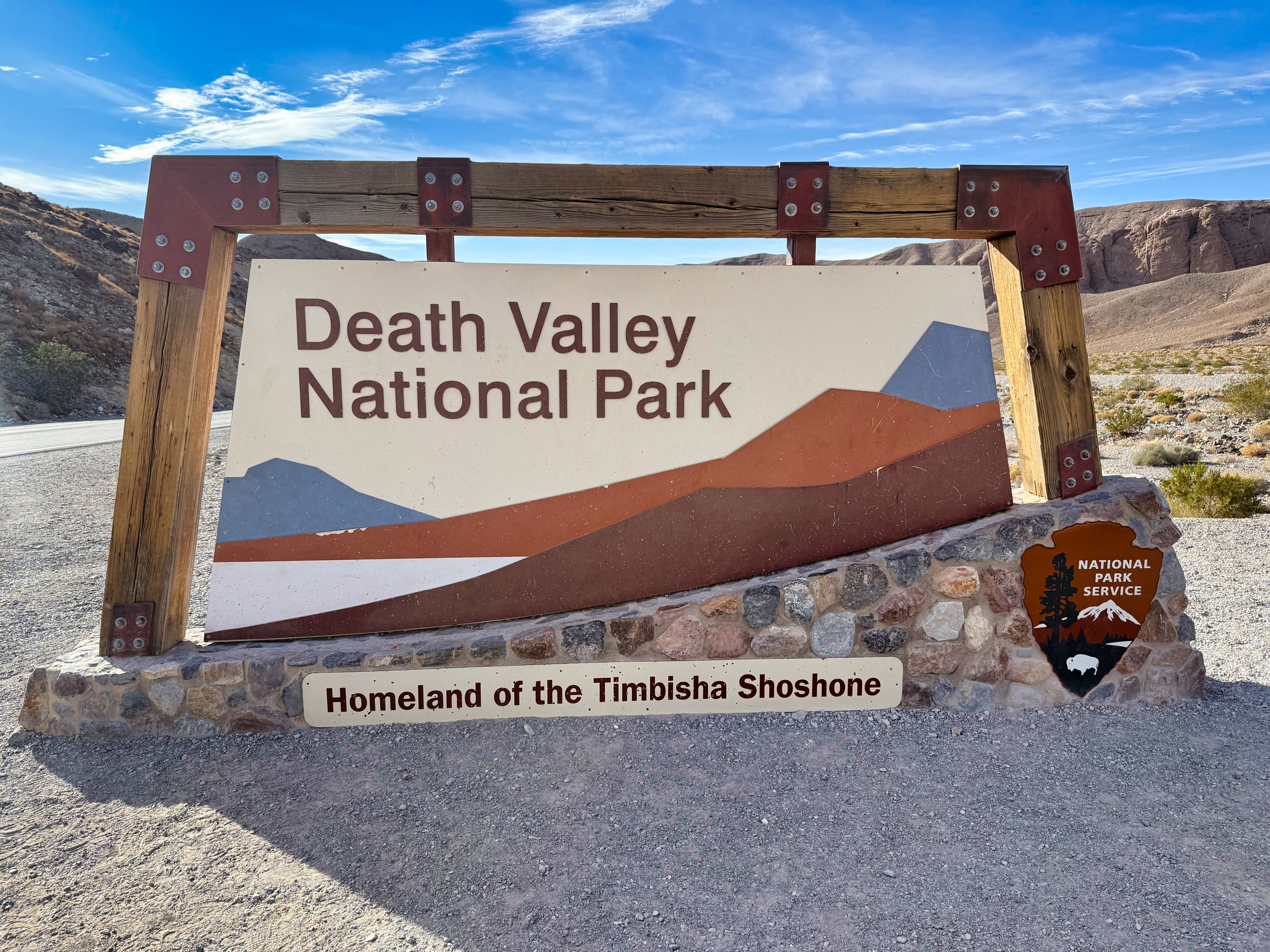
How Close Are You to Burning Out Your Team? Death Valley’s Warning for Driven Leaders
Death Valley is not subtle.
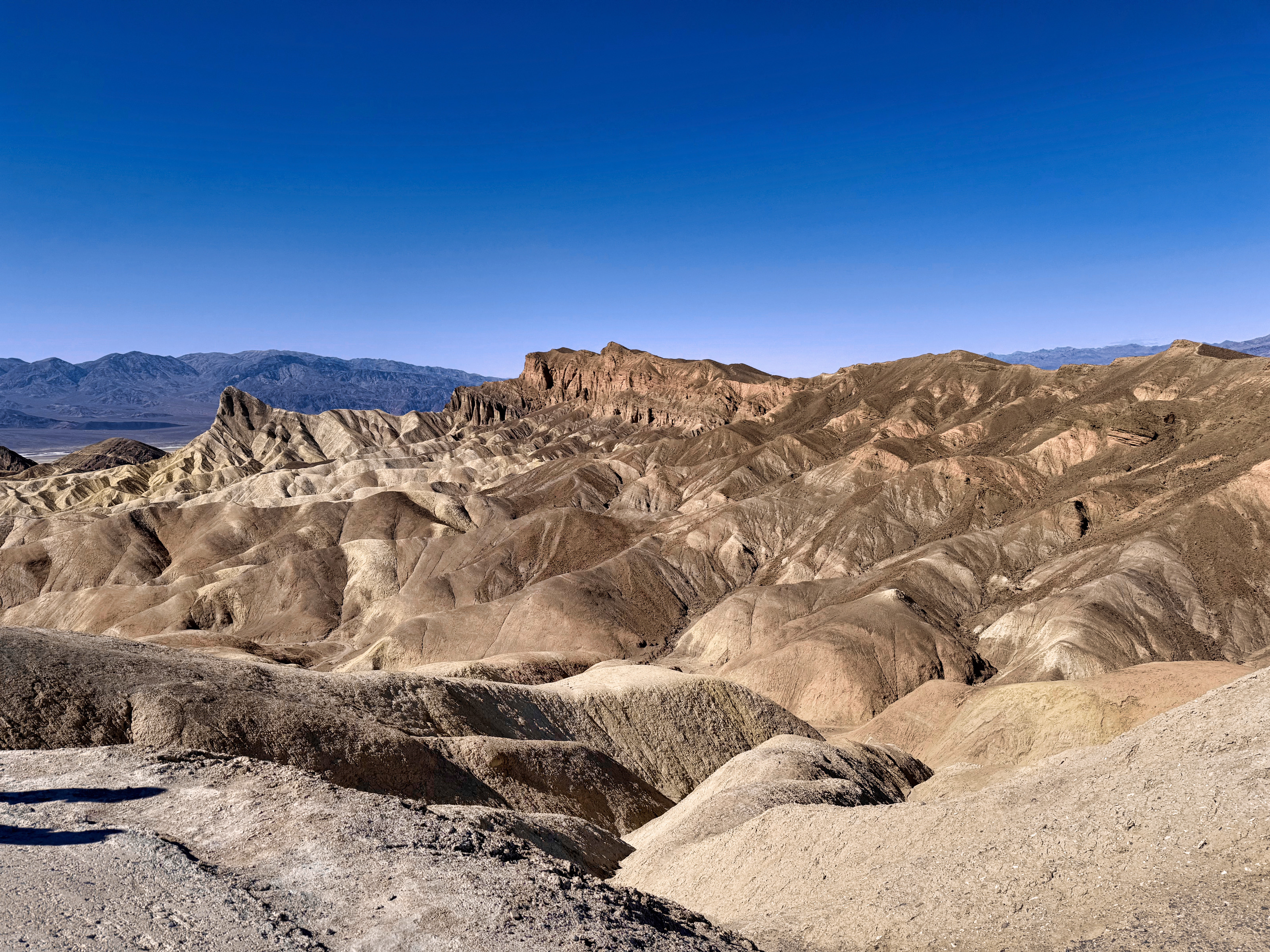
It doesn’t whisper its lessons.
It doesn’t ease you in.
It doesn’t hint.
Death Valley tells the truth immediately:
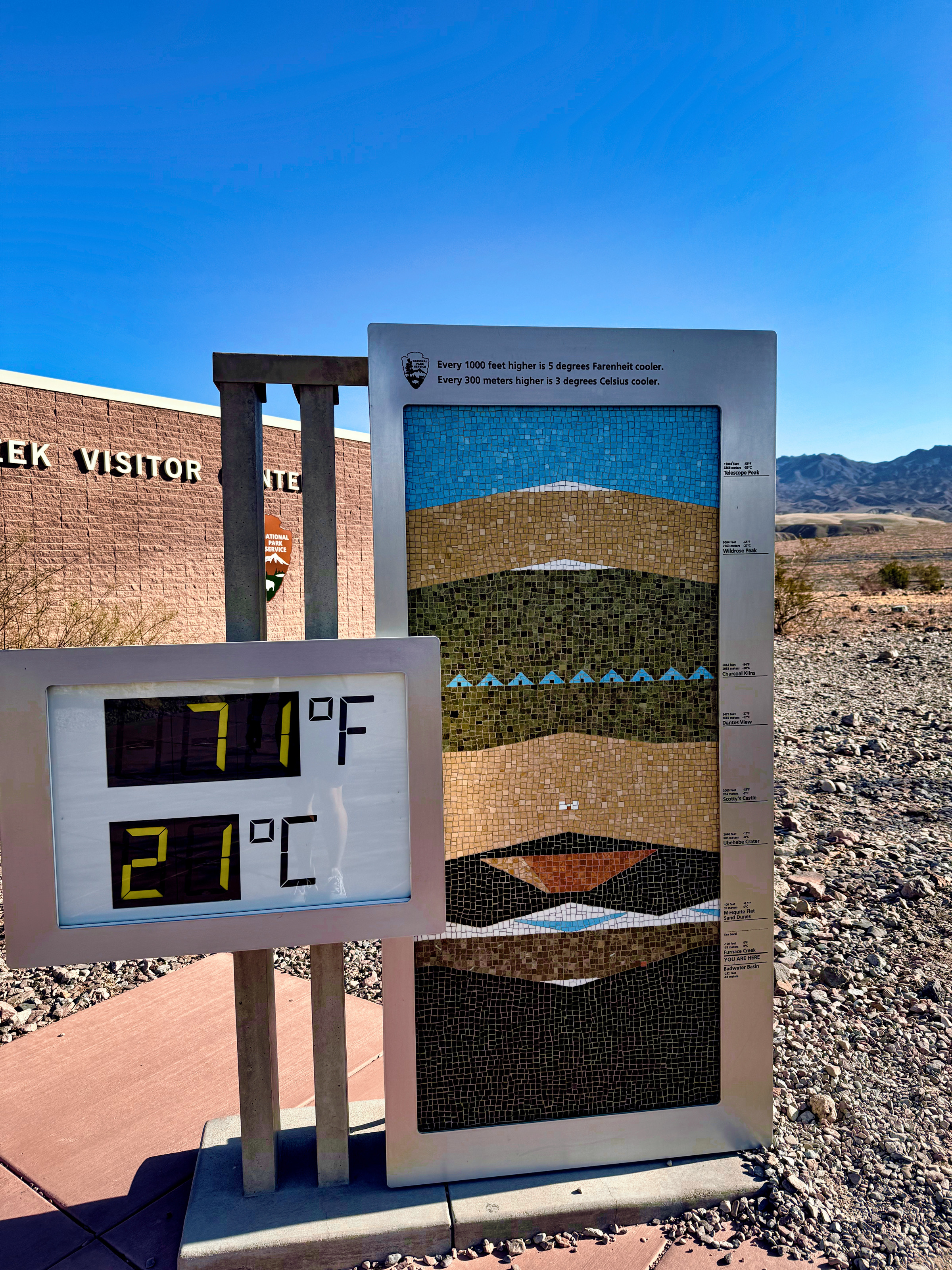
There are environments where life cannot thrive
if the conditions are too extreme
for too long.
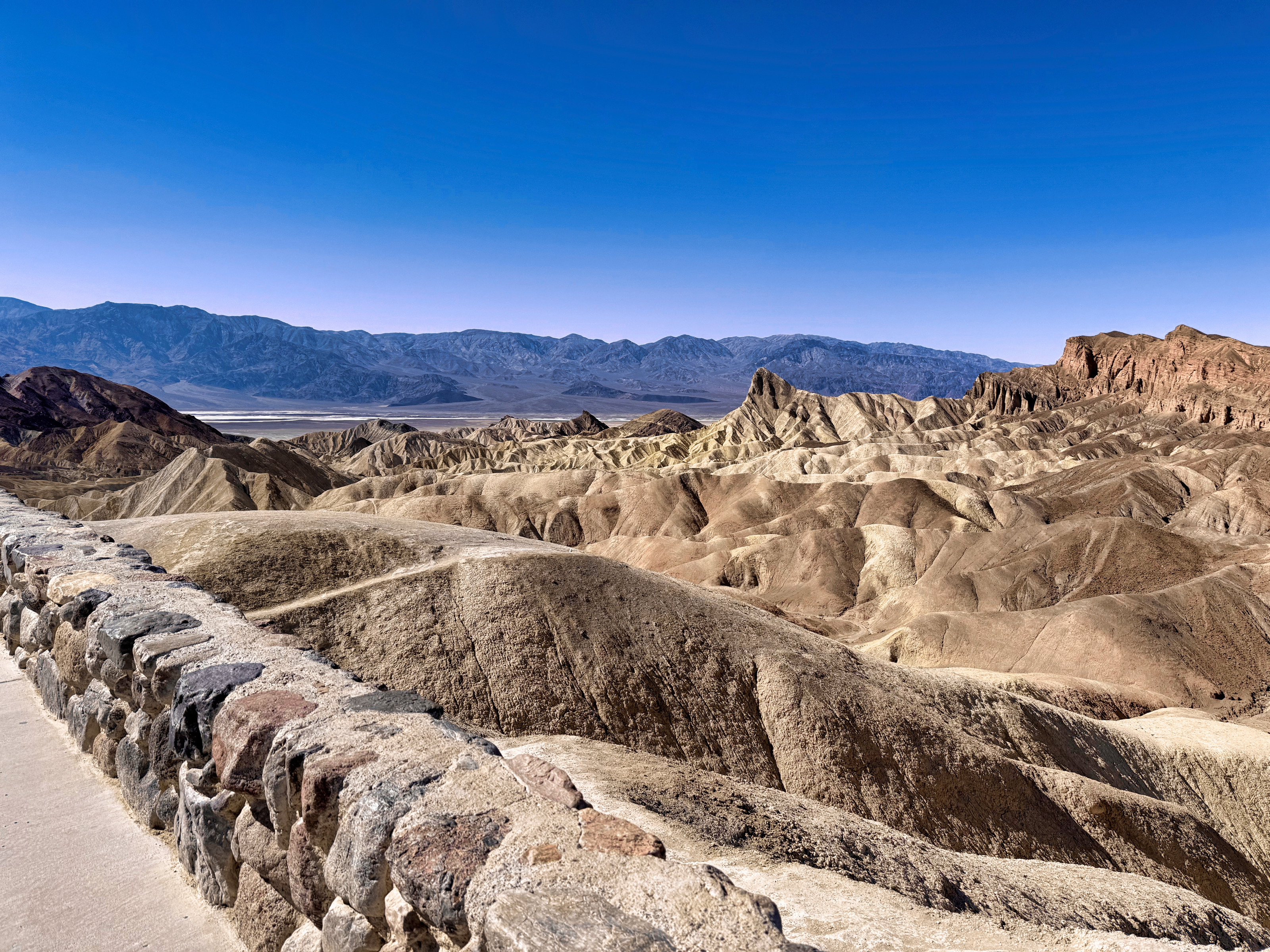
One of the hottest places on Earth.
Temperatures that shatter records.
Dryness so intense the ground cracks open.
Mountains that trap heat like a bowl.
Salt flats that reflect the sun straight into your eyes.
Silence that feels both peaceful and ominous.
Death Valley is stunning.
But it is also a warning.
If you lead long enough, you learn that people function the same way:

They can endure challenge
They can handle pressure
They can survive intensity
But they cannot survive unrelenting harshness with no recovery.
Death Valley exposes a truth many driven leaders avoid:
The environment you create can either sustain your team
or drain your team
and often, you don’t notice the danger until it’s too late.
Death Valley Looks Fine Right Before It Breaks You
One thing about Death Valley surprised me more than anything else:
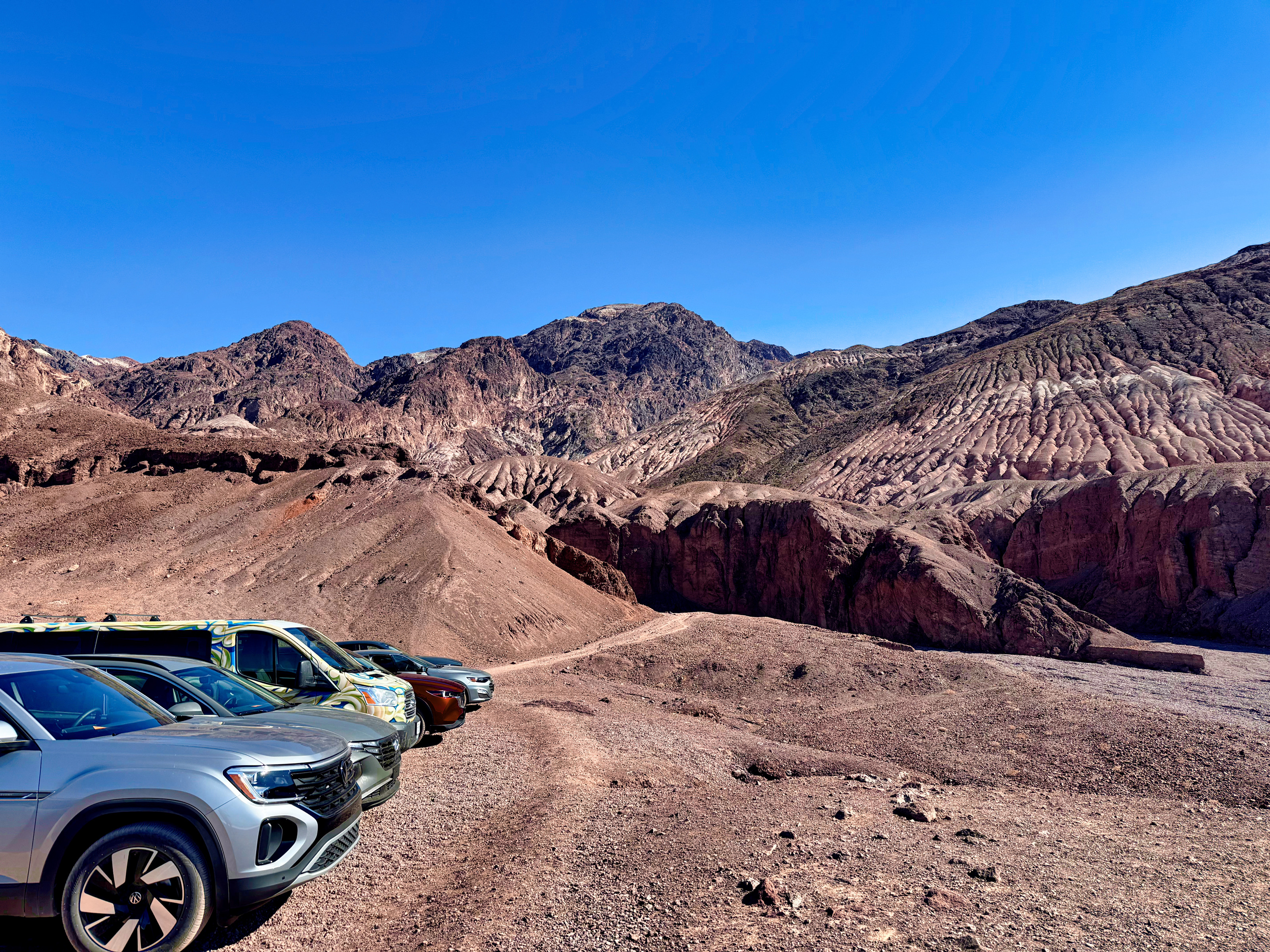
How normal everything looks at first glance.
You step out of the car, walk across the salt flats, and think:
This isn’t so bad.
The heat is intense, sure.
But you’ve felt heat before.
You’re tough.
You drink some water.
You keep moving.
And then a few minutes later, it hits you:
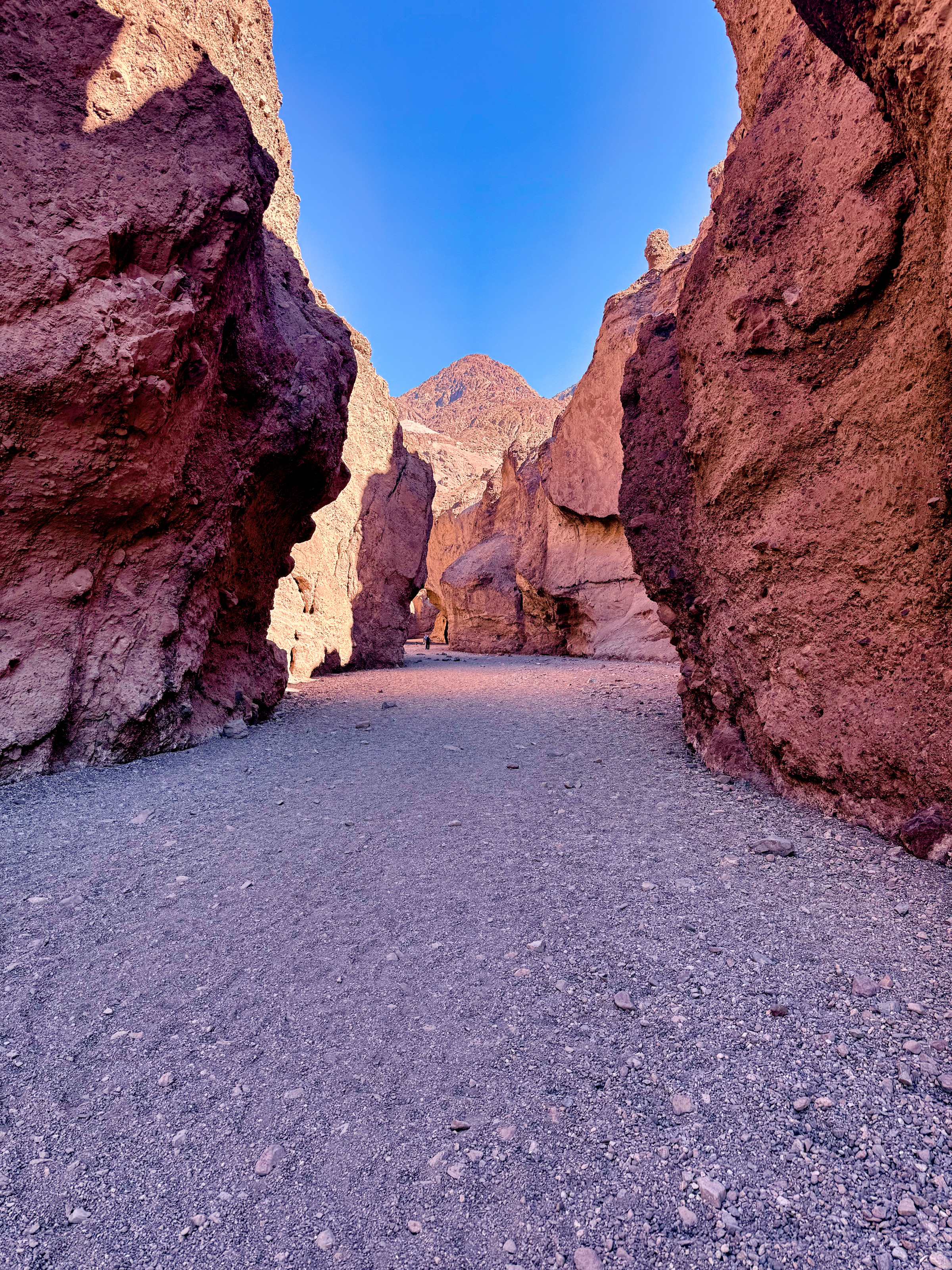
This is not normal heat.
This is not normal dryness.
This is not a place you can underestimate.
Leadership pressure works the same way.
Most burnout doesn’t start with a breaking point.
It starts with:
“This is fine.”
“I can push through.”
“It’s just a busy week.”
“I’ll rest later.”
“We’re almost through the tough season.”
“We just need to get this done.”
Death Valley teaches you the danger of ignoring early signals:
You don’t feel the damage until it’s already happening.
The Desert Doesn’t Care How Strong You Think You Are
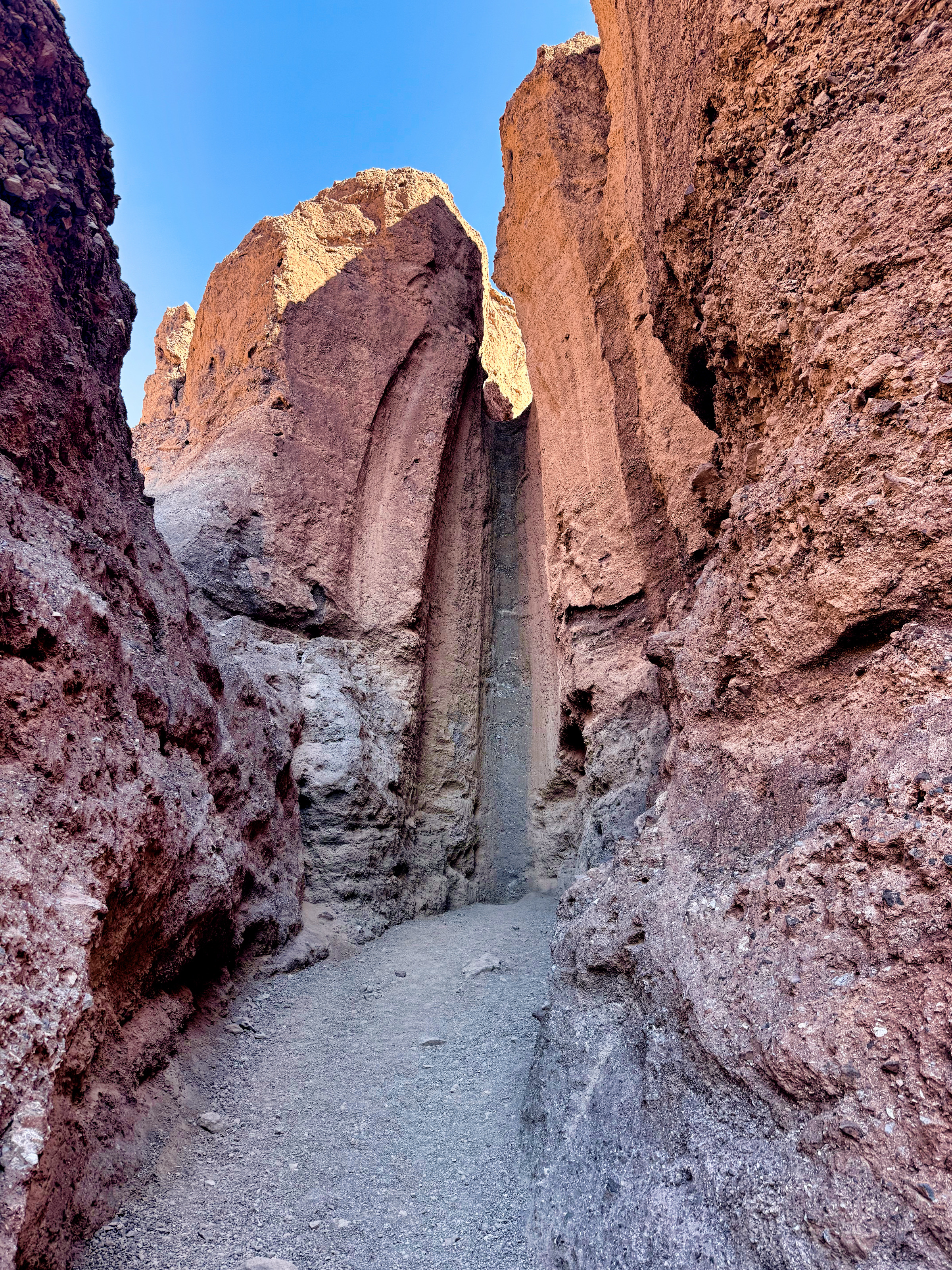
One of the most humbling things about Death Valley is that toughness doesn’t help you much here.
You can’t out-grit the heat.
You can’t out-hustle dehydration.
You can’t outsmart the dryness.
You can’t outrun the environment.
You survive by respecting the warnings.
Leaders who pride themselves on strength often struggle with this idea.
They expect their team to:
Push harder
Stay motivated
Power through stress
Meet unrealistic timelines
Ignore their own cues
Operate under constant urgency
Handle ambiguity endlessly
And they expect the same from themselves.
But high performers don’t burn out because they’re weak.
They burn out because they’re strong for too long without support.
Death Valley doesn’t kill fragile things.
It kills strong things that weren’t given the conditions to recover.
That’s the part leaders need to hear.
The Moment Death Valley Held Up a Mirror
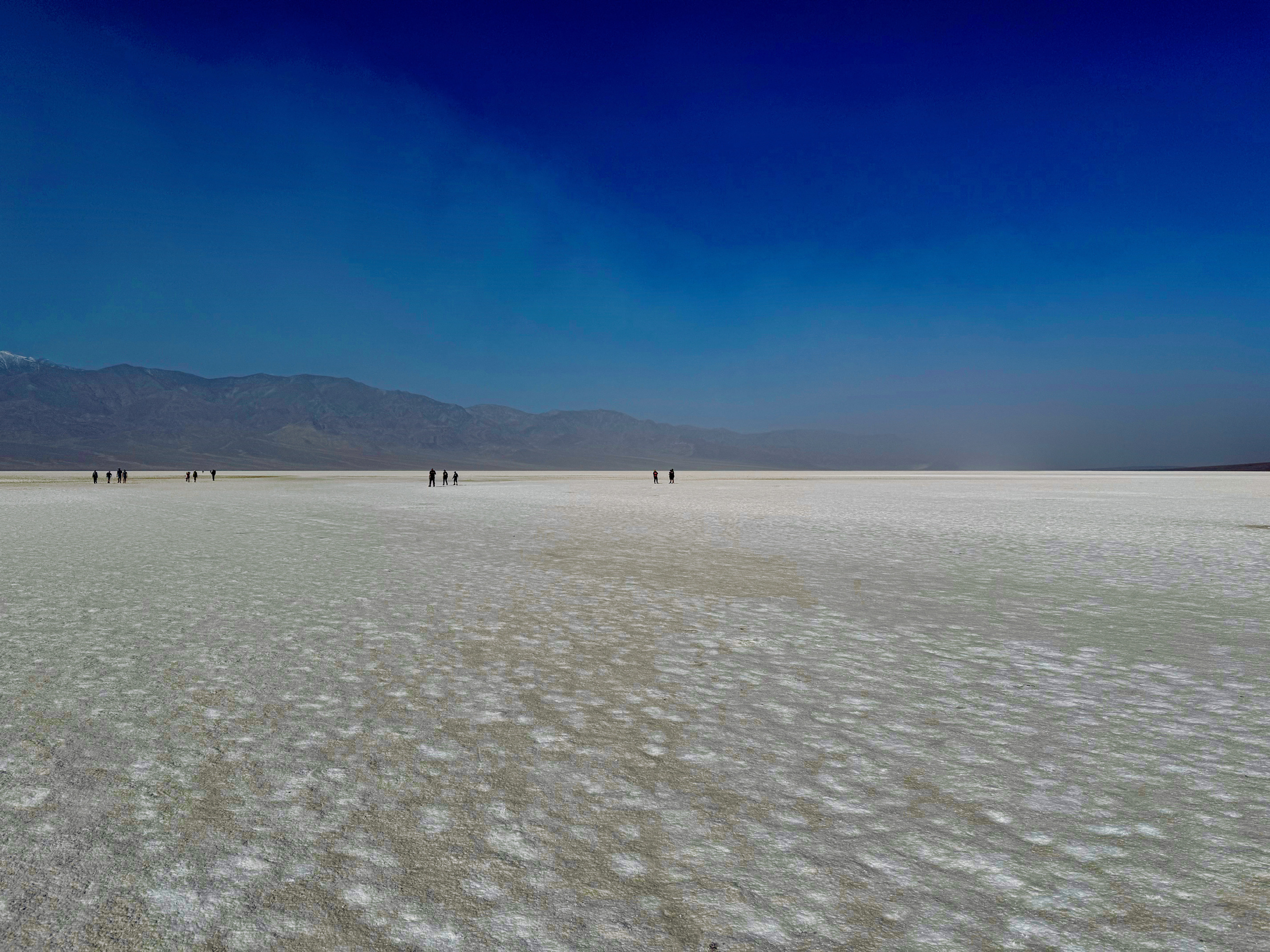
Standing at Badwater Basin, the lowest point in North America, I looked around and felt something I didn’t expect:
This place feels like what overextended leadership feels like.
Wide
Empty
Silent
Dry
Pressed down by conditions you can’t control
A thought hit me hard:
How many teams are living in a version of this environment?
How many environments look productive on the surface
but underneath are wearing people down?
How many leaders unintentionally create conditions that demand too much for too long?
How many teams stay quiet because silence feels safer than honesty?
How many people are one degree away from breaking
but have gotten so used to the heat they don’t realize it?
Death Valley doesn’t hide the cost of extremes.
It reveals it.
The Leadership Warning Signs Most People Miss
Teams rarely burn out overnight.
They burn out slowly, through signs leaders overlook:
Shorter tempers
Reduced creativity
Withdrawing in meetings
Doing exactly what’s asked and nothing more
Avoiding risk
More mistakes
Less emotional bandwidth
Constant fatigue
Silence during discussions
Resentment that no one names
High performers losing their spark
These are not performance issues.
These are environmental issues.
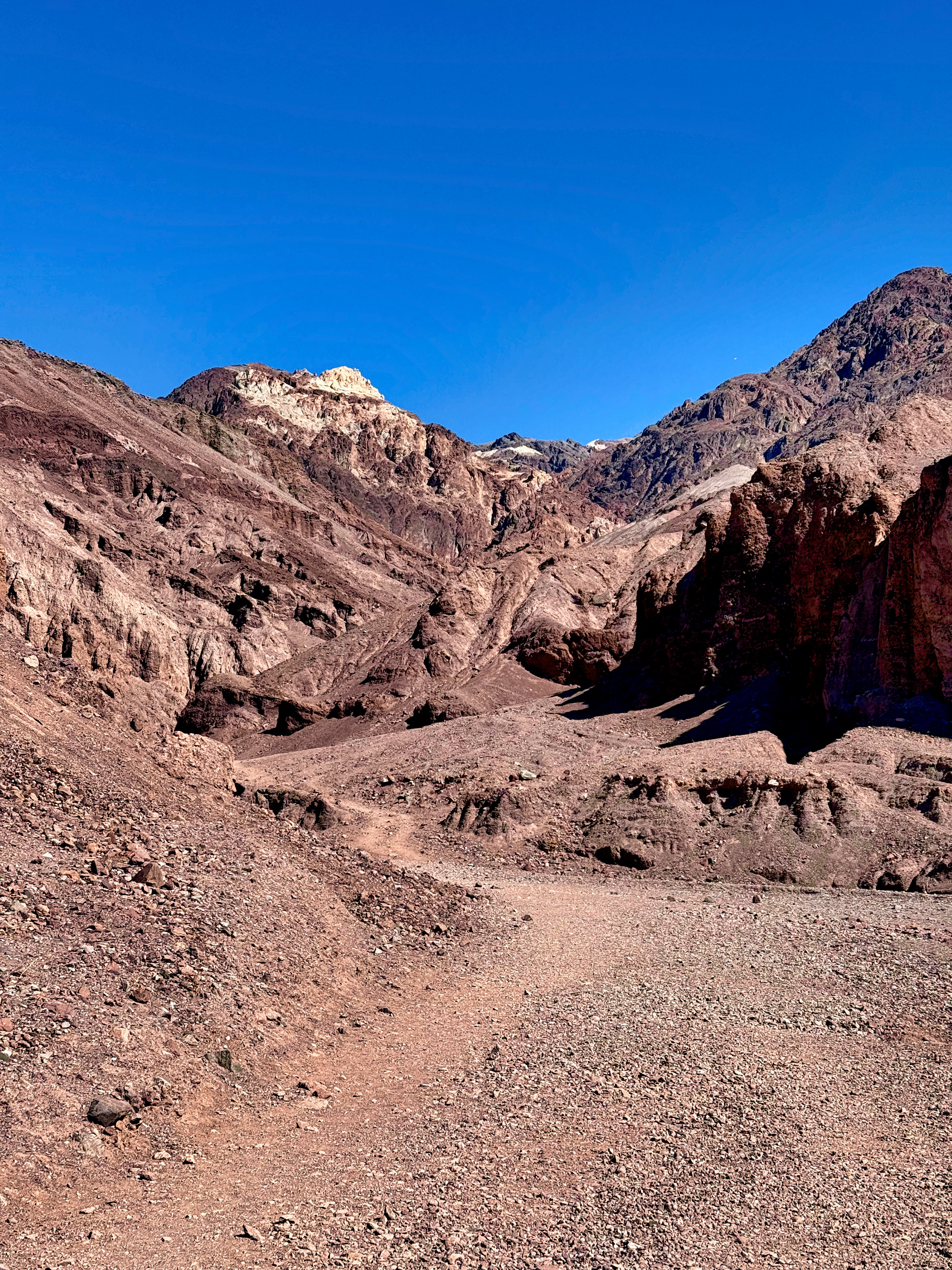
But here’s the dangerous part:
By the time these signs become obvious, the damage is already underway.
Death Valley teaches leaders to pay attention sooner.
Trust Is Built When Leaders Respect Limits
Driving ambition is not the enemy.
Unrealistic expectations are.

High-performing teams aren’t afraid of work.
They’re afraid of leaders who ignore early warning signs.
Teams thrive when leaders:
Notice subtle changes
Slow the pace when necessary
Protect recovery time
Create boundaries around urgency
Normalize feedback
Encourage honesty
Model sustainable work rhythms
Acknowledge the weight people are carrying
Trust is built not through pressure
but through protection.
Death Valley forces you to confront a truth:
Respecting limits isn’t weakness.
It’s wisdom.
Three Leadership Lessons Death Valley Refused to Let Me Ignore
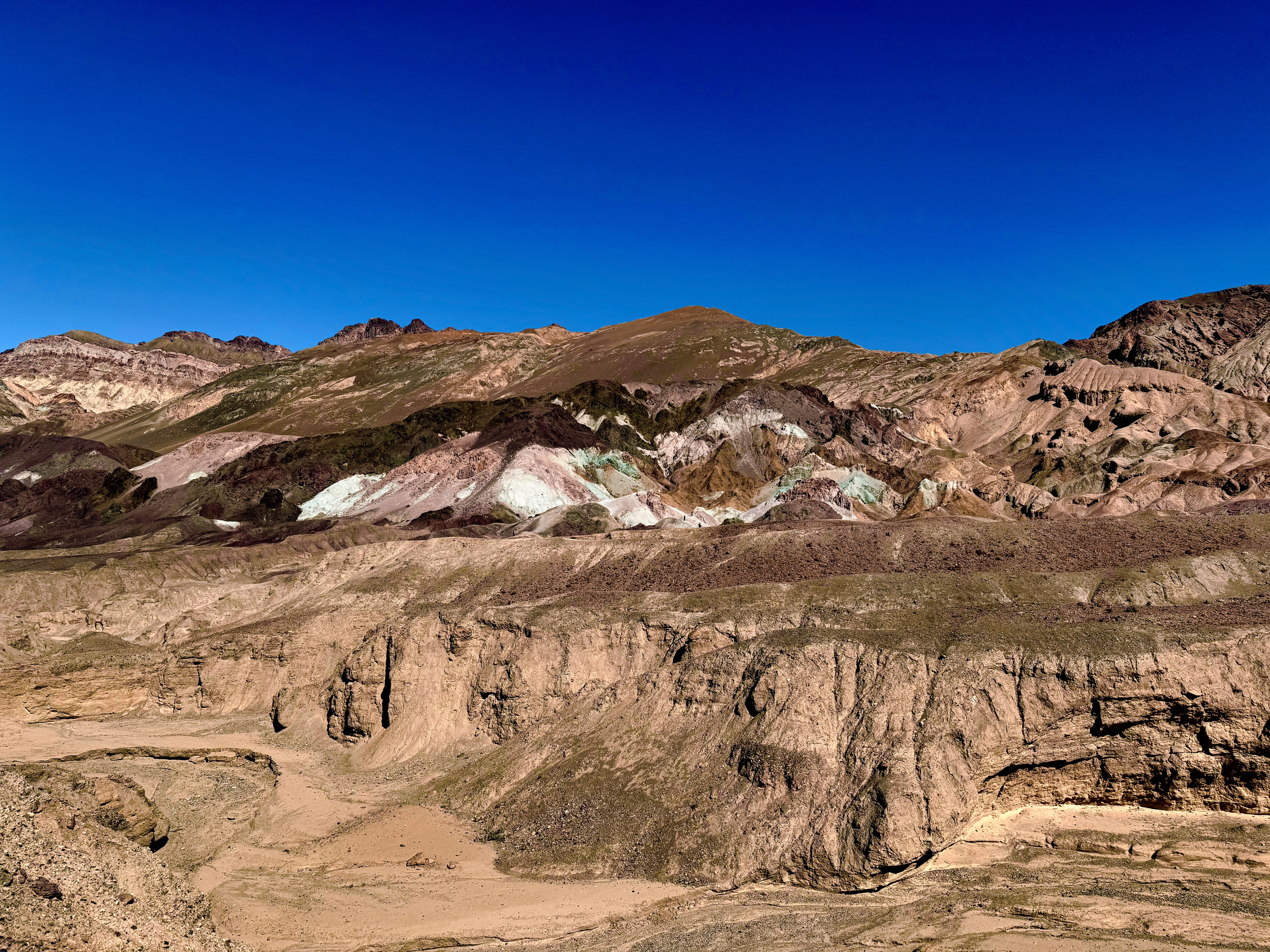
1. Extreme conditions don’t show their damage immediately.
People can look fine on the outside while falling apart internally.
By the time the symptoms are visible, the environment has already taken its toll.
2. You cannot demand peak performance from a team without protecting their recovery.
Every great athlete knows this.
Every elite performer knows this.
Only leaders forget it.
The nervous system cannot sustain unending pressure.
3. The leader sets the climate.
The team’s wellbeing, clarity, pace, and sustainability are not random.
They are shaped by the leader’s habits, expectations, and emotional regulation.
You don’t get thriving teams in Death Valley conditions.
Not without intentional relief.
Why this matters
When I work with leaders who are worried about engagement, performance, or morale, the issue is usually deeper than motivation. It’s environmental. The conditions they’ve created, unintentionally, are unsustainable. People are absorbing more heat than their system can regulate.
That’s why I help leaders inside Unlock Your Edge recognize early warning signs, rebuild trust through honesty, protect their team’s capacity, and create sustainable rhythms instead of reactive urgency.
Unlock Your Edge helps leaders regulate themselves so they stop generating extreme climates. It teaches them how to create environments where people can excel without burning out, and where performance comes from clarity and steadiness rather than intensity.
Death Valley reminded me that driven leadership is powerful
but unregulated leadership is dangerous.
Your Death Valley Challenge This Week
Think of one place where conditions on your team feel hotter than they should be.
Now ask yourself:
What is the early warning sign I’ve been ignoring?
Then take one regulating action:
Clarify expectations
Extend the timeline
Redistribute the workload
Have the honest conversation
Model recovery
Slow the pace
Check in with someone privately
Acknowledge the pressure out loud
Because leaders are the only ones who can change the climate.
And small decisions made today
can prevent a Death Valley outcome tomorrow.
If this made you pause for a second and realize the temperature in your world has been rising, don’t ignore that. If you’re ready to create healthier, more sustainable conditions for yourself and your team, here’s where I’d start.
