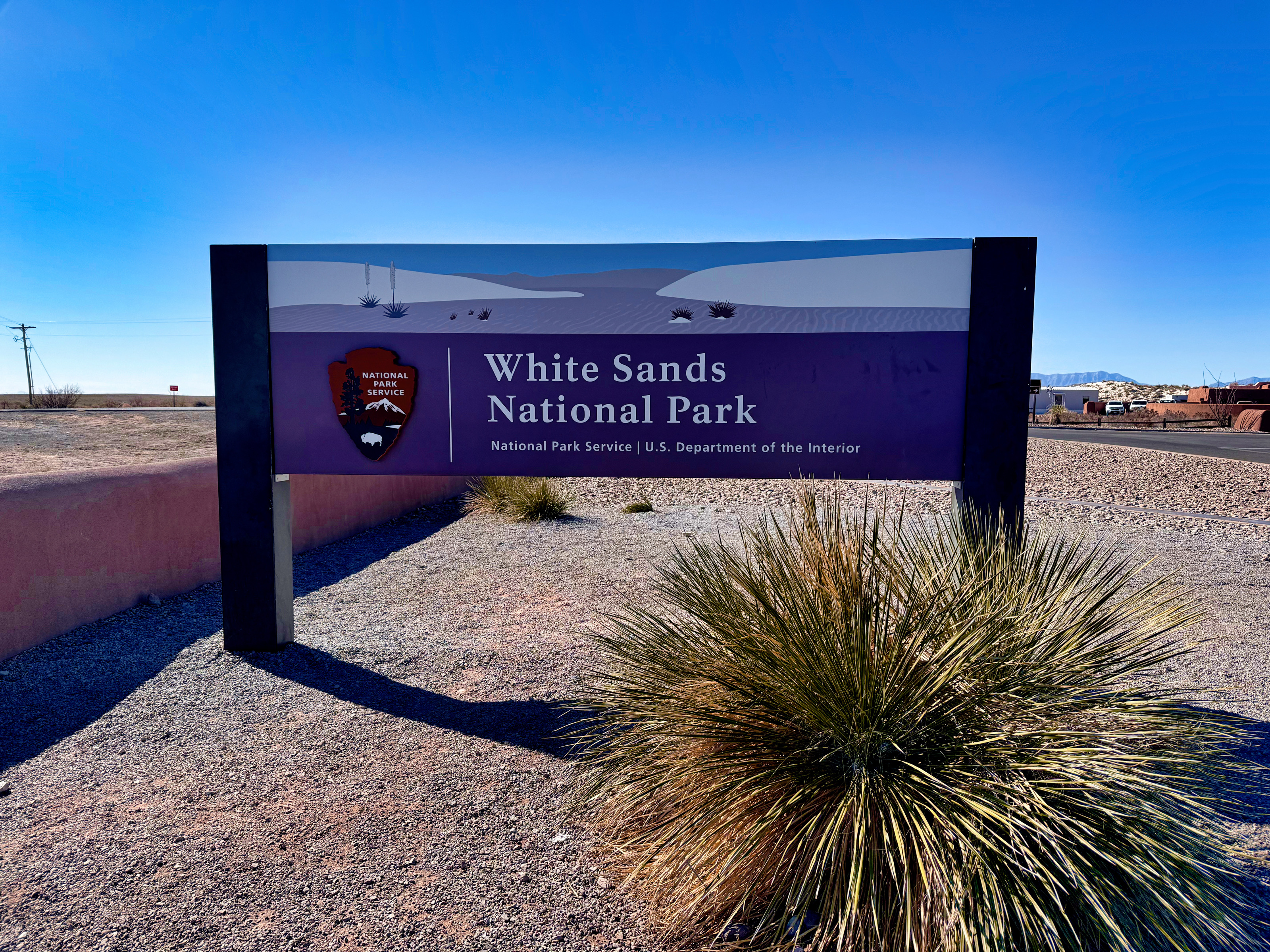
Leading on Shifting Ground: White Sands and How to Find Your Footing in Constant Change
Nothing prepares you for White Sands.
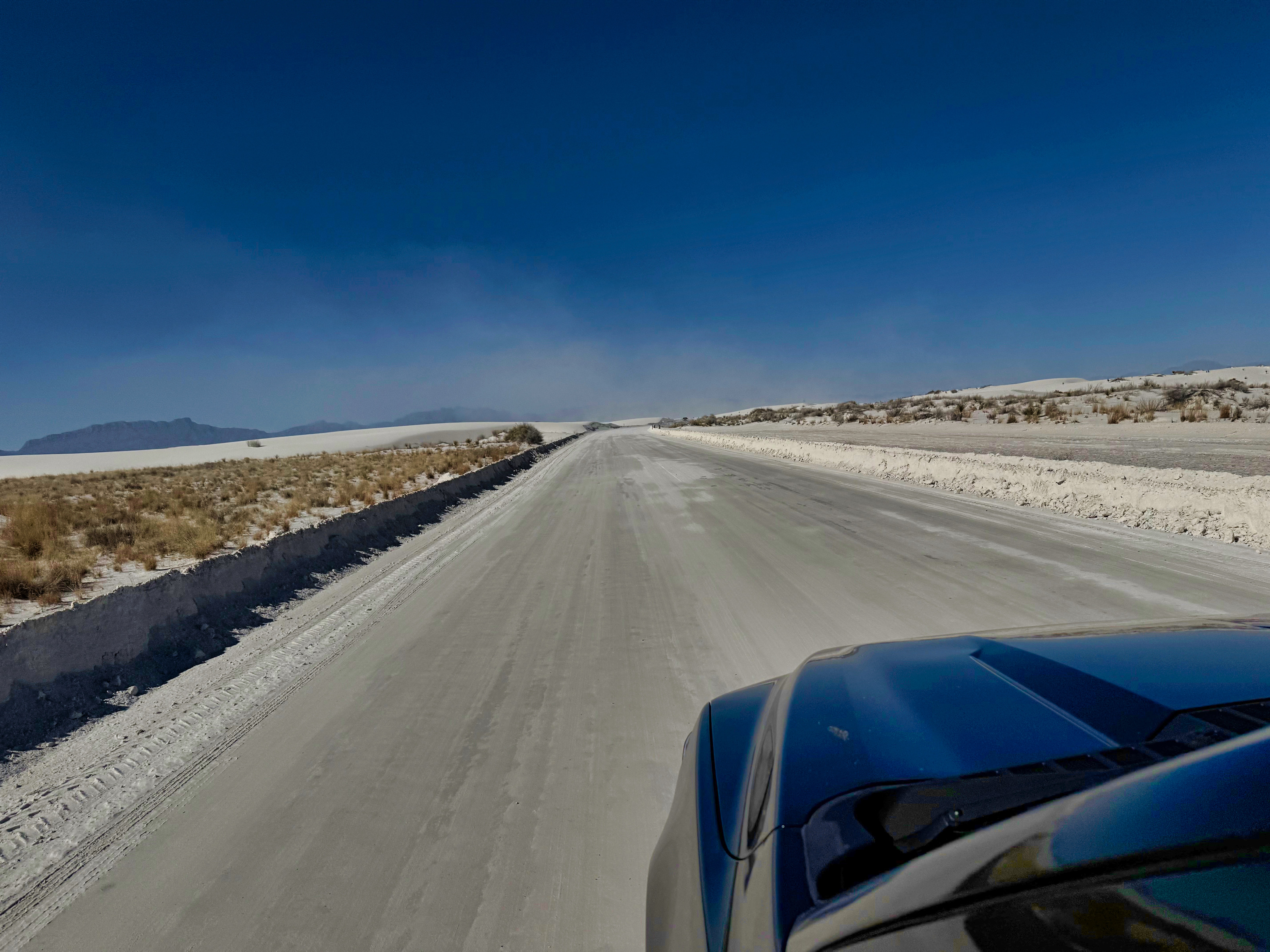
You drive through desert scrub and brown terrain…
then suddenly the world turns white.
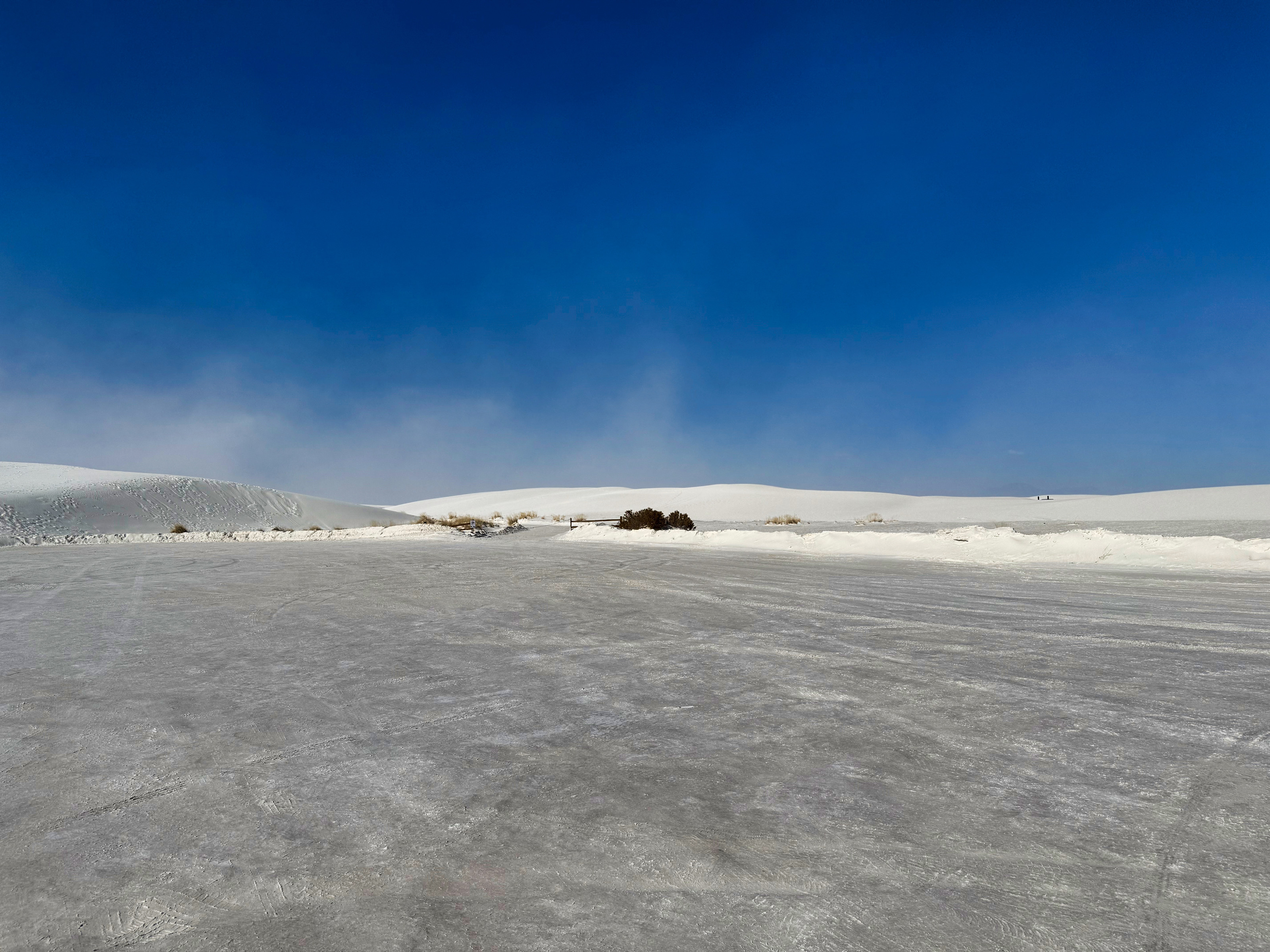
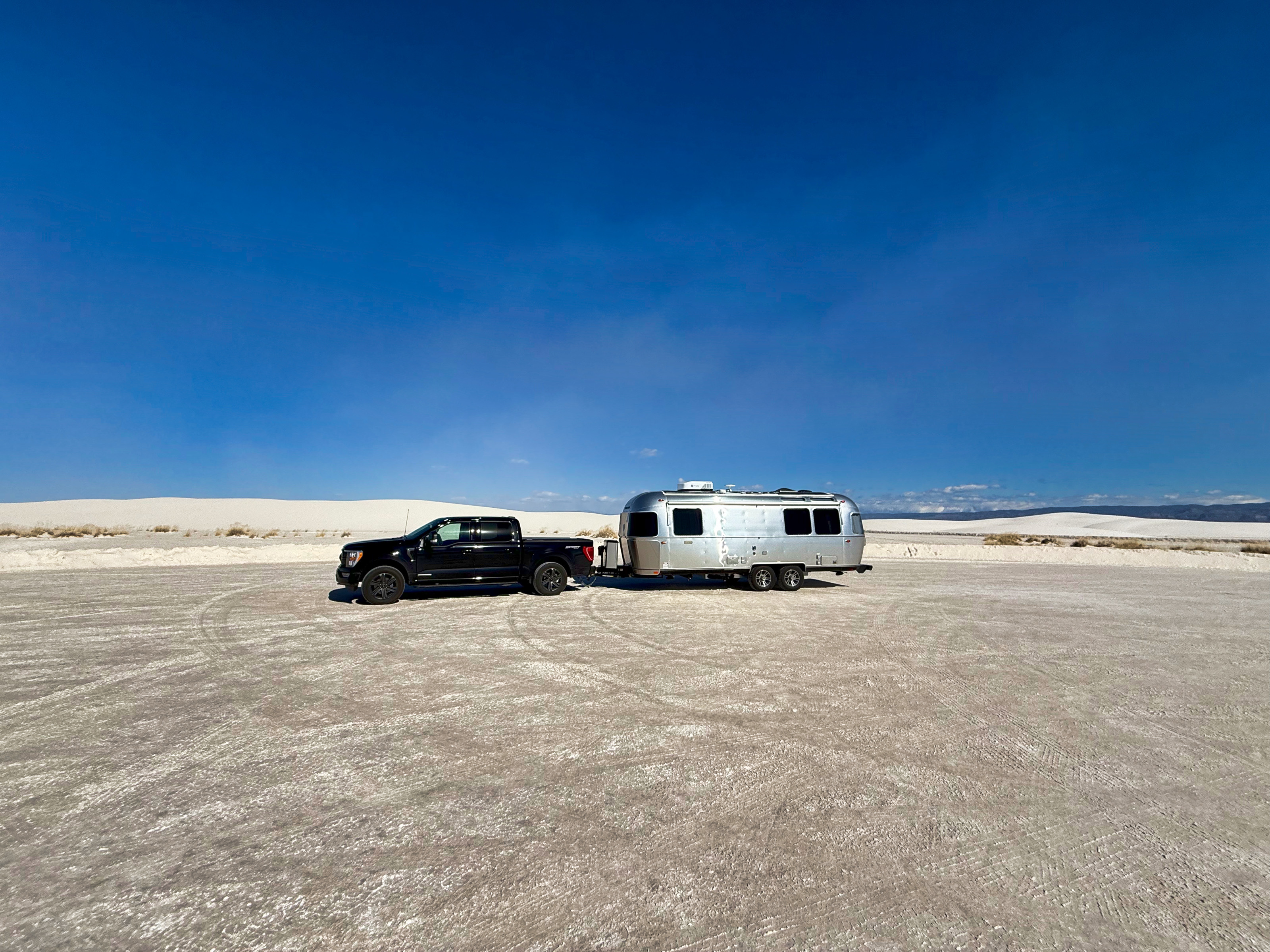
Pure gypsum dunes rising and falling like frozen waves.
Light bouncing off the landscape in a way that makes everything look sharper and softer at the same time.
Silence that feels almost unreal.
And then, as you step out of the car and climb the first dune, you realize something:
None of this is stable.
The dunes move.
The ridges change shape.
The wind carves new lines every day.
Even your own footprints disappear behind you.
White Sands is constantly shifting, no matter how solid it looks.
It is the perfect metaphor for leading right now.
Because if you’re honest, there are seasons in leadership that feel exactly like this:
Everything looks familiar…
and yet nothing feels stable.
The expectations shift.
The priorities shift.
The team dynamics shift.
The market shifts.
Your goals shift.
Your clarity shifts.
Your energy shifts.
You’re walking on ground that won’t stay still.
White Sands teaches a truth that is uncomfortable but freeing:
You don’t need the sand to stop shifting.
You need to learn how to find your footing while it does.
The Sand Moves Whether You Want It To or Not
As you walk across the dunes, you notice how each step behaves differently.
Some steps sink deep.
Some slide sideways.
Some land solid.
Some feel like you’re walking on air.
There is no consistent pattern.
No predictable rhythm.
You can’t stabilize the landscape.
You can only stabilize yourself inside it.
That’s the leadership parallel most people miss:
You don’t control the instability.
You control your clarity inside the instability.
Leaders burn out not because things shift,
but because they expect stability that isn’t coming.
White Sands forces you to release that illusion.
You learn quickly that your footing comes from:
How you distribute your weight
How present you are
How willing you are to adjust
How calmly you respond when a step surprises you
How centered you stay
Not from the sand…
but from yourself.
The Moment White Sands Quieted My Mind
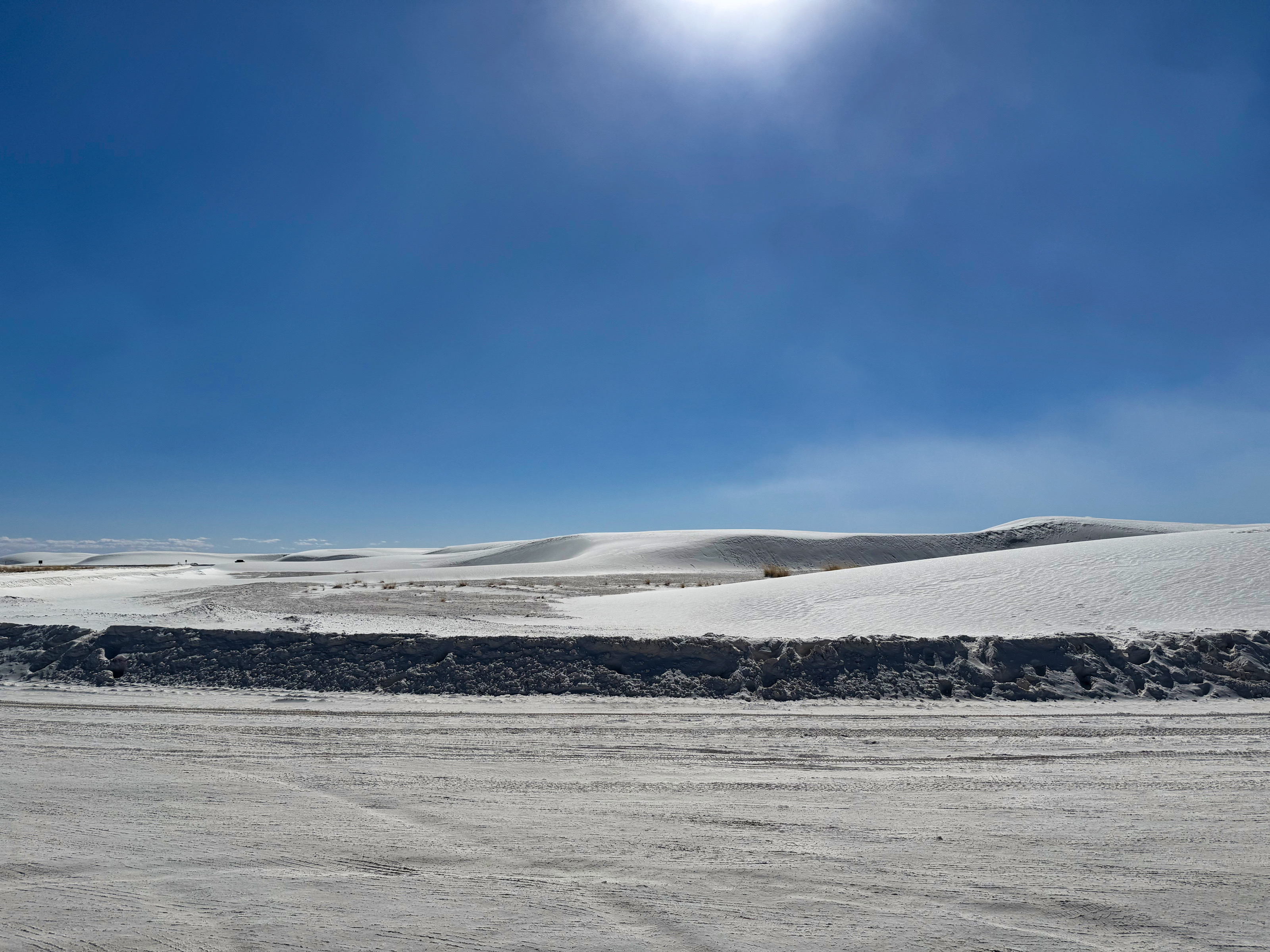
I remember walking to the top of a dune just after the wind picked up.
The sand whipped across the surface
carving new lines
smoothing old ones
erasing any path I thought I had.
It was disorienting.
It was beautiful.
And it hit me in a way I didn’t expect:
This landscape doesn’t apologize for shifting.
It doesn’t try to stay the same.
It doesn’t cling to the past.
It doesn’t fight the change.
It just adapts.
I realized how often leaders exhaust themselves trying to hold things still:
Trying to keep the team dynamic exactly as it used to be
Trying to keep processes from changing
Trying to keep people happy in ways that aren’t sustainable
Trying to avoid conflict
Trying to maintain control
Trying to force clarity when they haven’t slowed down long enough to access it
The sand isn’t the problem.
The resistance is.
White Sands reminded me of a leadership truth I’ve seen over and over:
Clarity doesn’t come from controlling the environment.
Clarity comes from calming the internal chaos.
Leaders Lose Traction When They Try to Force Stability
When everything feels uncertain, leaders try to find relief through:
Overthinking
Overplanning
Overcontrolling
Overworking
Overcommitting
It’s a natural response.
Your brain wants ground that doesn’t move.
But leadership clarity is not built through force.
It’s built through presence.
What keeps you steady is not the sand,
but the way you move through it.
The leaders who navigate constant change best are the ones who can:
Pause instead of react
Notice instead of panic
Feel instead of numb
Adjust instead of resist
Ask better questions
Slow their internal pace even when the external pace accelerates
Stay grounded in their identity instead of the environment
This is clarity in motion.
This is internal stability.
This is leadership footing.
White Sands Teaches You How to Move in a World That Won’t Stay Still
There’s a small moment that stays with you when you walk this landscape.
You look back at your footprints.
Some steps are deep.
Some are shallow.
Some are messy.
Some disappear instantly with the wind.
And then this hits you:
Even imperfect steps move you forward.
The sand doesn’t hold your mistakes.
It doesn’t freeze your missteps in time.
It doesn’t shame you.
It doesn’t preserve your errors as evidence.
It resets.
It releases.
It moves on.
Leaders could learn from that.

We hang onto missteps far longer than the people we lead.
We replay mistakes that no one remembers.
We cling to expectations that no longer fit.
We punish ourselves for every step that wasn’t perfect.
But clarity isn’t perfection.
Clarity is direction.
And the only way to find your direction on shifting ground
is to keep moving.
Three Leadership Lessons White Sands Wouldn’t Let Me Ignore
1. Stability is an internal skill, not an external circumstance.
If you wait for the environment to calm down before you feel grounded, you will wait forever.
The landscape will always move.
Your clarity has to come from within.
2. You don’t need perfect footing. You need adaptive footing.
Leaders thrive when they create micro-adjustments:
Pausing.
Re-centering.
Breathing.
Re-evaluating.
Clarifying.
Repeating.
Small internal resets prevent large external overreactions.
3. Movement creates clarity faster than rumination.
Thinking harder doesn’t make shifting sand solid.
But taking the next small step gives you new information.
New perspective.
New insight.
White Sands rewards movement, not certainty.

Why this matters
When I work with leaders who feel stuck, overwhelmed, or disoriented, the issue is almost always internal noise, not external instability. They’re trying to find direction without grounding themselves first. They’re trying to control shifting environments instead of creating clarity within themselves.
This is exactly what the first phase of my work, Clarity First, is built to address.
Clarity First helps leaders calm their internal chaos long enough to access their real instincts. It helps them see their patterns, understand their energy, build emotional steadiness, and create the mental space needed to make decisions on shifting ground. Leaders don’t need certainty. They need clarity. And clarity is an internal practice.
White Sands reminded me that you can’t make the ground stop moving…
but you can learn how to move with it.
Your White Sands Challenge This Week
Think about an area of your life or work that feels unstable right now.
Something shifting.
Something uncertain.
Something you keep trying to control.
Ask yourself:
What would it look like to find my footing instead of forcing stability?
Then choose one grounding move:
A pause before responding
A conversation that clears the air
A boundary that lightens your load
A moment to slow your thoughts
A reset ritual to calm your system
A decision that brings clarity instead of more noise
The landscape may keep shifting.
But your leadership doesn’t have to.
If something in this helped you breathe a little easier and see your situation differently, trust that. If you want to build the calm, grounded clarity that helps you lead on shifting ground, here’s where I’d start.
